
There is a secret that is well known to those who orbit in the most select circles: true luxury intimacy is never on public display. While the masses chase impossible reservations at restaurants with six-month waiting lists, the elite have rediscovered something the European aristocracy has known since the 18th century: that carefully orchestrated private salons offer an emotional depth that no public establishment can match. This is not snobbish seclusion, but something more visceral: the ability to control each sensory variable, to create a universe where only two people exist and the rules are written by them.
As someone who has transited from the penthouses of Knightsbridge to the hidden villas of Cap Ferrat, I have seen this transformation firsthand. The great seducers of our time-from tech moguls to heiresses of century-old fortunes-have turned their residences into theaters of sensory experiences. What's fascinating is that does not require the millions you might imagine; It requires something more rare: curatorial sensitivity and an understanding of the psychological mechanisms of desire.
Invisible Architecture: Designing the Environment Like a Filmmaker
When Elsie de Wolfe, considered the first professional interior decorator, transformed Victorian parlors in the early 20th century, she understood something revolutionary: spaces speak before people. Your home, for a luxury date, must become what set designers call a «silent character», that element that modulates emotions without uttering a word.
Start with lighting, the most dramatic and often abused element. Forget brutal overhead lights; think about light layering. In a loft I visited in Tribeca, the host - a filmmaker with an impeccable eye - had installed a programmable lighting that simulated the transition from dusk to starry night, with color temperature adjusting every fifteen minutes. You can achieve a similar effect by combining floor lamps with dimmers, soy wax candles (cheap kerosene candles give off noticeable toxins) and, if your budget allows, LED strips hidden behind moldings.
«Luxury must be comfortable, otherwise it is not luxury.» - Coco Chanel
But beware: the protocol of elegance dictates that sophistication repels excess. I have witnessed disasters where eager hosts turn their living rooms into burning chapels with a hundred candles. The golden rule: five asymmetrically distributed points of natural light (candles, lamps). Create areas of twilight that invite you to come closer for conversation, not homogeneous lighting reminiscent of an operating room.
Textiles deserve equal obsessive attention. In Morocco, I learned that the Berbers use layers of rugs-sometimes as many as seven-to create tactile depth. You don't need to buy an antique kilim (though if you can, do), but you do need to invest in:
- Blankets made of noble materials: cashmere, alpaca, merino wool. Let them be strategically «forgotten» on the sofa, inviting contact.
- Cushions with a variety of textures: velvet, Belgian linen, wild silk. The hand must find surprises to the touch.
- High grammage sheets: if the night moves into the bedroom, let the 600 thread count Egyptian cotton do the talking.
And here is a detail that separates the amateurs from the masters: aroma as an invisible signature. No «ocean breeze» commercial air fresheners. Invest in diffusers from niche perfumeries - Diptyque, Byredo, Le Labo - or, better yet, work with a fragrance house to create your personal blend. In a Parisian residence in the Marais, the owner diffused a blend of oud, The fragrance, bergamot and leather became addictive. Guests unconsciously associated it with him. Science of desire, pure and simple.
Gastronomía de Autor: When the Table Becomes a Narrative
Ferran Adrià revolutionized haute cuisine with a concept: eating is a multi-sensory experience that begins before the first bite. Your homemade luxury date should embrace this philosophy. It's not about mastering spherification techniques, but about curating an experience where each dish tells a story that connects with the person in front of you.
I remember an evening at an estate in the Loire Valley where the host, a wine collector, structured the menu as a shared biography. The appetizer evoked their first trip to Japan (oysters with sake and yuzu granita), the main course recreated a memorable dinner in Buenos Aires (chorizo steak with herb chimichurri from their garden), and the dessert was a nod to their childhood (tarte tatin with bourbon vanilla ice cream). Every bite was an emotional anchor.
If cooking is not your forte, sophisticated honesty works better than imposture. I've seen how the best luxury experiences emerge when someone admits, «I'm not a chef, but I've selected every ingredient with you in mind.» Then:
- Works with exclusive suppliers: the artisan cheesemonger at the market, the fishmonger who keeps the best fish for you, the gourmet store that imports Spanish preserves.
- Invest in statement ingredients: a live grated black truffle from Périgord, Osetra caviar served on warm blinis, Iberian acorn-fed ham sliced on the spot.
- He masters three dishes impeccably: better to be a master of risotto, carpaccio and crème brûlée than midnight in ten recipes.
And if you opt for discreet catering (something that Michelin restaurants are increasingly offered for private residences), the trick is in the final plating. He receives the dishes in thermal containers, but you add the personal touch: that edible flower, the truffle oil drizzled with precision, the Maldon salt sprinkled before his eyes. Performance matters as much as taste.
«One cannot think well, love well, sleep well, if one has not had a good dinner.» - Virginia Woolf
The Ritual of the Tableware: Details that Communicate Hierarchy
In homes of the old European aristocracy, I have noticed that they never serve in mismatched crockery by accident. Each piece has lineage, history. You don't need 19th century Sèvres porcelain, but you do. aesthetic coherence. Invest in a set of contemporary designer plates-brands like Bernardaud or Villeroy & Boch offer affordable lines-and cutlery with substantial weight. Lightweight flatware screams mediocrity; well-balanced ones whisper refinement.
The glassware deserves special mention. At a dinner in Geneva, the host served a Château d'Yquem in Sauternes-specific Riedel glasses. When asked if I noticed the difference versus a generic glass, I admit I did: the shape of the calyx directed the aromas directly towards the nostrils. The lesson: invest in decent wine glasses (Zalto, Spiegelau) and learn which one to use for what. This knowledge, displayed without arrogance, communicates a level of care that is rarely forgotten.
Signature Mixology: The Elixirs of Connection
Ada Coleman, the first woman bartender at the Savoy in London in 1903, understood that cocktails are vehicles for social transformation. His creation, the Hanky Panky, was literally an «erotic trick» in liquid form. Your home bar should aspire to that alchemy.
I have witnessed in private clubs in Tokyo how bartenders spend ten minutes on a single drink, turning the process into theater. You can capture that magic with preparation. My formula for a flawless home bar:
- Three base spirits of exceptional quality: a complex botanical gin (Monkey 47, Hendrick's), a whiskey with character (Yamazaki 12, Lagavulin 16), an ultra-premium filtered vodka (Belvedere, Grey Goose).
- Vermouths and handcrafted liqueurs: an Italian red vermouth, Cointreau, green Chartreuse. These elevate classic cocktails from banal to memorable.
- Bitters and homemade tinctures: Angostura is a must, but experiment with chocolate, lavender or cardamom bitters. You can make tinctures by infusing vodka with spices for two weeks.
- Impeccable ice: nothing kills a cocktail like plastic tray ice that tastes like freezer ice. Buy silicone molds for large spheres or, if you're obsessive, artisanal ice blocks.
But here is the real luxury: customization. Before the date, discreetly research (social media is gold) his preferences. If she mentioned on Instagram that she loves ginger, make a Moscow Mule with craft ginger beer and fresh grated ginger. If you prefer non-alcoholic, a cucumber, basil and premium tonic water mocktail can be more sophisticated than any alcoholic cocktail.
On one occasion, in a Hong Kong penthouse, the host created a drink based on the previous conversation: his guest had mentioned a trip to Marrakechi. He prepared a cocktail with gin, orange blossom water, fresh mint and a touch of orange blossom honey, serving it in Moroccan tea glasses. She cried with emotion. That's distilled connection.
Activities: The Art of Sustaining Effortless Attention.
Christian Dior said that «true elegance is in the movement.», and this applies to how we structure timesharing. At high-level appointments, boredom is the silent enemy. But paradoxically, the overloaded itinerary also kills the magic. The key is create options, not obligations.
I have seen how in residences in Tuscany, the hosts offer activity «stations»: a reading corner with first editions, a game table with onyx chess, a projector for improvised cinema, a vintage record player with selected vinyls. Guests flow naturally according to their mood. Replicate it in scale:
- The conversational station: Deep sofas with intimate lighting, perhaps a card game like Table Topics or We're Not Really Strangers (questions that generate elegant vulnerability).
- The cultural corner: A large-format photography book (Helmut Newton, Irving Penn) that invites you to leaf through it together, commenting on it. Or a vinyl collection with a ritual: each one chooses three songs that define a moment in his or her life.
- The sensory experience: A private tasting - wine, whiskey, dark chocolate - with prepared tasting notes. It is not about expertise, but about shared exploration.
- Private cinema: Screen a forgotten classic (not Casablanca for the umpteenth time; think «Rear Window» or «Last Tango in Paris») with truffled popcorn and blankets to share.
But the greatest luxury is the freedom to do nothing. At a villa in Bali, I witnessed two people spend three hours simply chatting on a terrace, no music, no activities, just words and comfortable silences. The hostess had created a space so beautiful and relaxed that the conversation flowed without the need for crutches. Aim for that: for your home to be so cozy that just being together is enough.
The Playlist: Soundtrack of Seduction
Quincy Jones, the legendary producer, structured his parties like symphonies: starting with smooth jazz, ascending to soul, culminating in funk. Your playlist should follow that emotional architecture. Here is my tested structure:
- First hour (arrival and aperitif): Intimate vocal jazz. Chet Baker, Billie Holiday, Norah Jones. Low volume, almost subliminal.
- Dinner: Bossa nova and classic soul. Astrud Gilberto, Sade, Marvin Gaye. Rhythms that sustain conversation without interrupting it.
- Tabletop: Downtempo or neo-soul electronica. FKA Twigs, James Blake, SOHN. More presence, inviting movement.
- Closing at night: Depending on the energy. Either ethereal ambient (Ólafur Arnalds) for deep conversations, or sensual R&B (Miguel, SZA) if the chemistry allows it.
Crucial: never ask «do you like this song?» every five minutes. Music should be flowing water, not a show that demands attention. And have a decent audio system; those $30 Bluetooth speakers betray any attempt at sophistication.
The Final Sanctuary: Private Spa and Closing Rituals
At Napa Valley's Calistoga Ranch, spa treatments take place in private cabins overlooking vineyards. That philosophy-intimacy + ritual-you can carry over to your bath. If the night evolves into more closeness, preparing a shared bath can be more erotic than any lingerie.
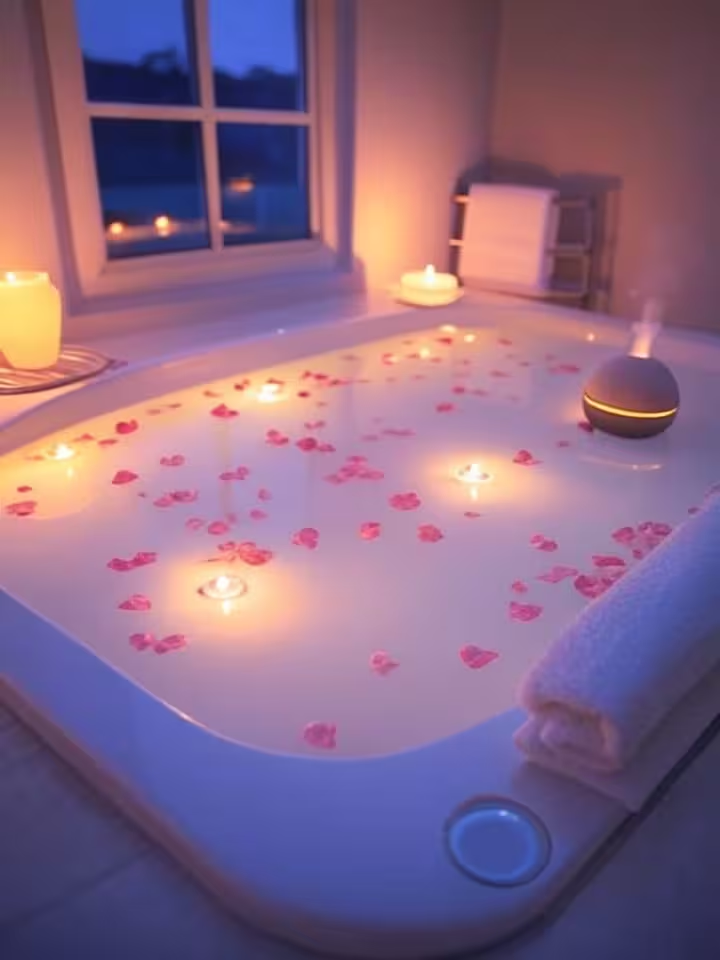
The technique: while your guest is distracted (perhaps serving dessert), fill the bathtub with water at exactly 38°C (use a thermometer). Add Dead Sea or Epsom salts, rosehip oil, fresh rose petals if available, and floating candles. Prepare warm towels (put them in the dryer for 10 minutes) and Egyptian cotton robes. Leave a tray with chilled champagne and strawberries on the rim.
«The pleasure of the superfluous is necessary.» - Oscar Wilde
I've seen brilliant variations: in one London home, the host prepared a «milk bath» (literally five liters of whole milk + honey + lavender, updated Cleopatra technique). In Miami, a double shower with tropical rain system and integrated aromatherapy. The common denominator: anticipation and sensory generosity.
But let's be honest: not every evening has to culminate in a spa. Sometimes, the luxury lies in brewing an exceptional herbal tea (ceremonial matcha, aged oolong) and chatting until dawn wrapped in blankets. The high society I know values so much refinement of gestures as the authenticity of intentions.
Invisible Gifts: Details that Last
In the Japanese culture of omotenashi (anticipatory hospitality), the host considers the guest's needs before he/she expresses them. Translated to luxury dates: small forecasts showing obsessive attention.
- A discreetly located charger for your specific phone model.
- Pillow options (firm/soft) if staying overnight.
- A toiletry kit with your brand of facial care (previously researched).
- A playlist with the songs he mentioned to love, recorded on a vintage USB as a souvenir.
- A handwritten note for the next day, left in her coat or purse without her noticing.
Once, after an evening out in Singapore, I found in my purse a small box containing a niche perfume I had casually praised. It wasn't expensive (about $80), but the gesture-having listened and acted-was worth thousands. That is emotional luxury, the kind that creates unwavering loyalty.
Inconvenient Honesty: When Something Goes Wrong
Now, the part that no guidebook mentions: imperfection as a tool for connection. I've seen dinners where the soufflé collapses, where the power goes out mid-dinner, where someone spills red wine on a white linen sofa. The result? In three out of four cases, those moments became the couple's favorite anecdotes.
The psychology behind it: shared vulnerability creates stronger bonds than sterile perfection. When something goes wrong and your reaction is grace under pressure-laughing, improvising a creative solution, admitting the mistake without panic-you demonstrate a quality more valuable than domestic competence: emotional resilience.
One tech mogul told me that his deepest relationship began on a home date where he forgot to turn on the oven. They had cheese and bread for dinner with $500 wine, sitting on the kitchen floor, giggling like teenagers. She told me later, «That's when I knew it was real, not a facade.».
So yes, strive for excellence, but don't sacrifice humanity on the altar of perfection. True luxury includes the right to be imperfect, as long as you do it with style.
The Secret Language of Environments: Spatial Psychology
Studies of the environmental psychology confirm what designers intuitively sense: spaces modulate behaviors in imperceptible ways. High ceilings promote abstract thinking and creativity; small spaces generate intimacy. Use this strategically:
- For deep conversations: corners with lower ceilings, seats that force you to get closer.
- For creative energy: open spaces with stimulating art on the walls.
- For seduction: warm lighting (2700K), low seating to match visual heights, elimination of visual distractions (screens, visible clocks).
In a Barcelona loft, the architect-owner had designed the space in «zones of progressive intimacy»: the living room was bright and open, the dining room more secluded, the sofa area almost cavernous. The night flowed naturally from zone to zone, like acts in a play. Your home can do the same with lighting and furniture arrangement..
Closing: The Art of the Memorable Farewell
The last impression defines how the whole experience will be remembered. At the best hotels in the world, check-out is taken care of as much as check-in. Apply that philosophy:
If your guest is retiring that night, have a private car service ready (Uber Black minimum, or a chauffeur if your budget allows). Walk them to the door with their coat already in hand. Slip in his pocket a note: «Thank you for making this night unforgettable.» Send a message the next morning, not before (desperation) and not three days later (indifference). Timing is everything.
If you stay overnight, breakfast is your final statement. No boxed cereal. Think: croissants from a French boulangerie (bought the night before and warmed), artfully cut fruit, freshly ground bean coffee, squeezed orange juice. Served on a tray, with a fresh flower in a small glass.
Excessive? Maybe. Memorable? Absolutely. In the circles I move in, the stories that last are those of unexpected gestures, not predictable luxury. Your luxury date at home should aspire to become that story your guest will tell years later, whispering: «I've never experienced anything like this before.».
In the end, creating a five-star experience at home is not replicating a hotel or restaurant; it's something bolder: invent a concept of luxury that can only exist in your space, with your vision.. It's Hospitality meets intimacy, opulence meets authenticity. And when you achieve it, when you see in your guest's eyes that gleam of genuine surprise, you know you have achieved something that no commercial establishment can offer: customized luxury, designed for a single-person audience. That, believe me, is priceless. Although, paradoxically, it is priceless.

 English
  Spanish
  French
  Portuguese
  Italian
  German